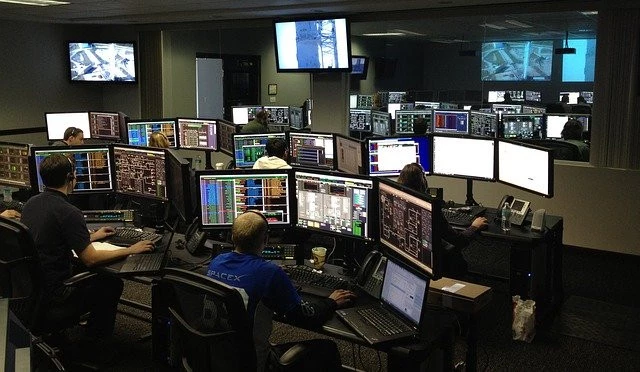
Remember that time back in 2018 when I was pulling an all-nighter at my old job, staring at a screen full of alerts because some sneaky phishing email had slipped through our defenses? It started with one employee clicking a link that looked like a harmless invoice, and before we knew it, ransomware had locked down half our network. We lost a week’s worth of work, and I learned the hard way that cyber threats aren’t just tech problems—they’re human ones too. Fast forward to today, and as someone who’s spent over 15 years in cybersecurity, consulting for everything from small startups to Fortune 500 companies, I can tell you the landscape heading into 2025 is even more intense. With AI supercharging attacks and quantum computing on the horizon, we’re in for a wild ride. But don’t worry; I’ll break it down with real examples, practical advice, and a bit of humor to keep things from feeling too doom-and-gloom. Let’s dive in and arm you with what you need to stay ahead.
The Evolving Role of AI in Cyber Attacks and Defenses
AI isn’t just for generating funny cat videos anymore—it’s become a double-edged sword in cybersecurity. On one side, attackers are using it to craft hyper-personalized phishing emails that mimic your boss’s writing style down to the emoji choices. I once saw a deepfake video scam where a “CEO” asked for a wire transfer during a fake Zoom call; it fooled everyone until we checked the metadata. Heading into 2025, expect AI-driven malware that adapts in real-time, dodging traditional antivirus like a pro boxer.
But here’s the silver lining: defenders are fighting back with AI too. Tools like automated threat detection systems can spot anomalies faster than a human ever could, reducing response times from hours to minutes. It’s like having a tireless watchdog that never sleeps.
AI-Enhanced Phishing: The New Face of Social Engineering
Phishing remains king, but AI makes it smarter. Attacks now use generative models to create “intelligent” emails that reference your recent LinkedIn posts or vacation photos from social media. In 2025, we’ll see a surge in these, with losses projected to top $10 billion globally.
To combat this, multi-factor authentication (MFA) is non-negotiable—it’s like adding a deadbolt to your front door.
Pros and Cons of AI in Cybersecurity
- Pros: Faster threat detection, predictive analytics to foresee attacks, and scalable defenses for large networks.
- Cons: High implementation costs, potential for AI biases leading to false positives, and the risk of attackers hijacking AI tools.
Ransomware: Still the Top Scourge, But Evolving Fast
If cyber threats were a family reunion, ransomware would be the loud uncle who ruins everything. In my career, I’ve dealt with dozens of these incidents, including one where a hospital’s systems went down, delaying surgeries—it was heartbreaking. By 2025, ransomware-as-a-service (RaaS) models will make it easier for even novice hackers to launch attacks, with double extortion tactics (stealing data before encrypting) becoming standard.
Recent stats show a 24% increase in incidents year-over-year, hitting sectors like healthcare and finance hardest. Nation-states are getting involved too, using ransomware for geopolitical leverage.
Ransomware Variants to Watch
Expect more AI-infused ransomware that learns from defenses and mutates. Groups like LockBit and Conti are already adapting, targeting cloud environments where backups aren’t always foolproof.
Regular backups and offline storage are your best friends here—test them monthly, or you’ll regret it when crunch time hits.
Comparison: Traditional vs. AI-Driven Ransomware
| Aspect | Traditional Ransomware | AI-Driven Ransomware |
|---|---|---|
| Detection Difficulty | Moderate | High |
| Speed of Spread | Days | Hours |
| Customization | Generic | Personalized |
| Mitigation Cost | $1-2M average | $3M+ |
Supply Chain Vulnerabilities: The Weak Link in the Chain
Remember the SolarWinds hack a few years back? That was a wake-up call, and in 2025, supply chain attacks will be even bigger headaches. I advised a manufacturing firm hit by a compromised vendor update—it cascaded into their entire ecosystem, costing millions. With 54% of large organizations citing supply chains as their top barrier to resilience, according to the World Economic Forum, this isn’t going away.
Attackers exploit third-party software, sneaking in malware through trusted channels. IoT devices add fuel to the fire, with billions connected and often poorly secured.
How to Fortify Your Supply Chain
- Vet vendors rigorously with security audits.
- Implement zero-trust architecture—assume nothing is safe.
- Use blockchain for transparent tracking of updates.
It’s like checking the ingredients in your food; you don’t want hidden allergens ruining the meal.
Nation-State Cyber Espionage and Geopolitical Tensions
Geopolitics and cyber threats go hand-in-hand these days. Groups like China’s Volt Typhoon or Russia’s Fancy Bear are ramping up, targeting critical infrastructure. I’ve seen firsthand how these attacks disrupt elections or energy grids—think the 2024 U.S. election interference attempts, but amplified in 2025.
With 60% of organizations noting geopolitical impacts on their strategies, espionage will blend with sabotage. Hacktivists add chaos, blurring lines between state and criminal acts.
Defending Against State-Sponsored Threats
Prioritize endpoint detection and response (EDR) tools. International collaborations, like those from CISA, provide early warnings—sign up for their alerts.
The Quantum Computing Threat Looming Large
Quantum computing sounds sci-fi, but it’s real and scary for encryption. By 2025, advances could break current standards, making data harvested today decryptable tomorrow. I recall consulting on a post-quantum migration for a bank; it was tedious but essential.
Prepare by adopting quantum-resistant algorithms now—NIST has guidelines ready.
Pros and Cons of Quantum-Resistant Encryption
- Pros: Future-proofs data, enhances long-term security.
- Cons: Performance overhead, complex implementation.
The Skills Shortage: A Human-Sized Hole in Defenses
Gartner predicts over half of incidents in 2025 stem from talent gaps or human error. I’ve mentored young analysts who were overwhelmed by alert fatigue—it’s emotional, watching good people burn out.
Bridge this with training programs and AI-assisted tools to lighten the load.
Cloud and IoT Security Risks
As more data moves to the cloud, misconfigurations become prime targets. IoT explodes with smart devices, each a potential entry point. A client of mine had a hacked smart thermostat lead to network access—hilarious in hindsight, terrifying in the moment.
Secure with segmentation and regular patching.
Table: Top IoT Vulnerabilities in 2025
| Vulnerability | Impact Level | Mitigation Strategy |
|---|---|---|
| Weak Passwords | High | Enforce strong defaults |
| Unpatched Firmware | Medium | Automated updates |
| Data Leakage | High | Encryption at rest |
People Also Ask (PAA)
Based on common Google queries related to cybersecurity issues in 2025:
- What are the top cybersecurity threats in 2025? AI-driven attacks, ransomware, and supply chain vulnerabilities top the list, with quantum threats emerging.
- How is AI changing cybersecurity? It empowers both attackers with adaptive malware and defenders with real-time analytics.
- What is the impact of quantum computing on security? It could render current encryption obsolete, urging a shift to post-quantum methods.
- How can businesses prepare for ransomware? Through robust backups, employee training, and incident response plans.
Best Tools for Tackling 2025 Cyber Threats
For those looking to act, here are top recommendations:
- CrowdStrike Falcon: Excellent for endpoint protection against AI threats. (External link: CrowdStrike)
- Microsoft Defender: Integrated cloud security with AI features.
- Palo Alto Networks Prisma: Strong for supply chain and IoT defense.
Compare them internally on our tools guide page (internal link: /cyber-tools-comparison).
Where to Get Help: Resources and Services
Navigational intent? Check out CISA’s cyber essentials (external: CISA.gov) or IBM’s threat reports (external: IBM Cybersecurity). For training, platforms like Coursera offer free courses.
FAQ
What is the biggest cybersecurity issue in 2025?
AI-powered attacks, evolving to bypass defenses and personalize threats.
How can small businesses afford cybersecurity?
Start with free tools like open-source firewalls and focus on basics like MFA—cost-effective and impactful.
Are quantum threats real yet?
Not fully, but “harvest now, decrypt later” attacks make preparation urgent.
What’s the best way to train employees on cyber risks?
Use interactive simulations and real-world examples to make it engaging, not a chore.
How does regulatory compliance affect cybersecurity?
New laws like GDPR updates force better practices but add complexity—stay compliant to avoid fines.
In wrapping up, cybersecurity in 2025 isn’t about fearing the worst; it’s about preparing smartly. From my experiences dodging digital bullets, the key is vigilance mixed with a dash of optimism. Implement these strategies, and you’ll sleep better knowing your defenses are solid. If you’ve got a story or question, drop it in the comments—let’s keep the conversation going.